

Tuesday 12 May
-
Bird nesting season is well underway!
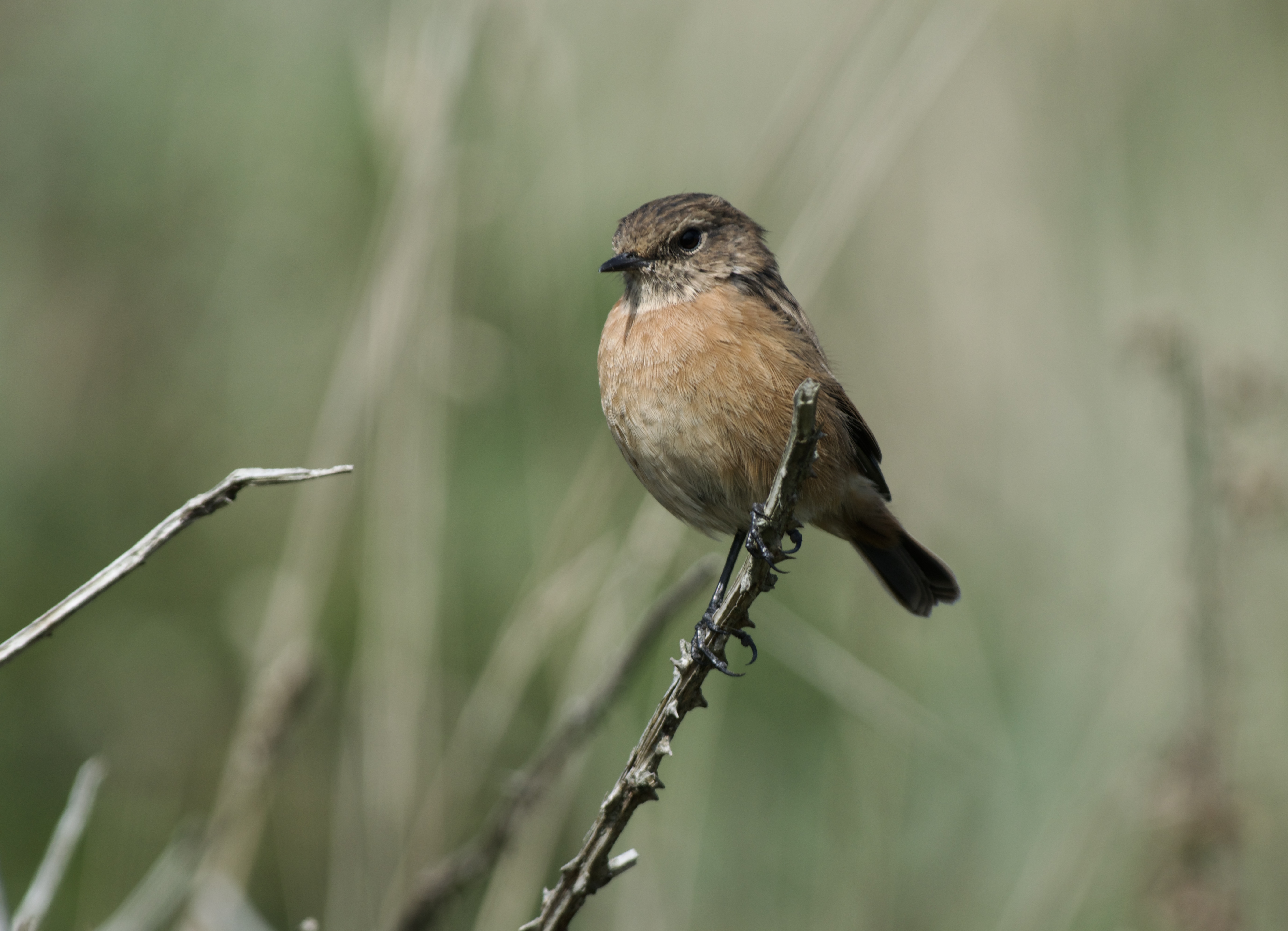
You may be wondering why it is so often the case that female birds are much more drab than the males, and the reason is rather fascinating...
Males and females looking different is called 'Gender Dimorphism'. We see it in many different bird species, such as ducks, finches and birds of prey, but not all birds exhibit this clear gender identification; gulls, tits and many seabirds.
The deciding factor is most often down to who is in charge of incubating the eggs.
Take a Mallard, for example, the female will spend the majority of their time incubating eggs, and so it is important that they can blend into their surroundings so to not be seen by predators. The males, in contrast, are bright and colourful to show off that they are healthy and a suitable mate, but also to defend their territory.
With birds of prey, the female is typically larger than the male, and this is likely due to the fact that they need to be able to cover their eggs in the nest in order to keep them safe and warm.
Birds like gulls, and many seabirds share the role of incubation during nesting season, and so males and females often look identical.
There are a few cases where the male is the bird in charge of looking after the eggs, and so the role of gender dimorphism is reversed, such as the Red Phalarope (a rare breeding bird here in the UK).
-
WCCP News